
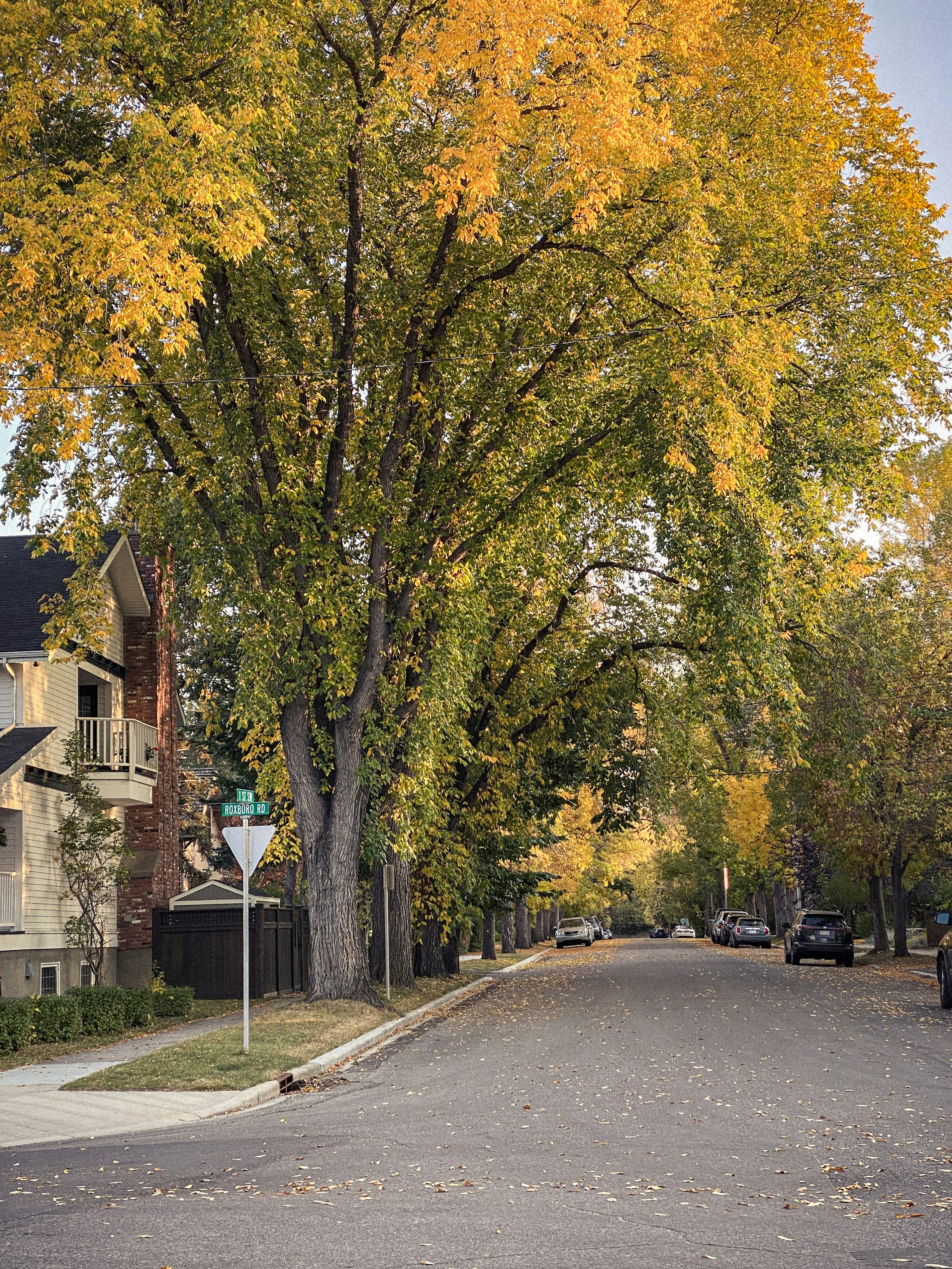
Moving From British Columbia to Alberta: 9 Things to Know About Your New Province

If you are considering moving from British Columbia to Alberta, you are not alone. Thousands of Canadians are making the trek across the Rockies every year, drawn by the promise of affordability, economic opportunity, and a high quality of life.
Whether you are fleeing the high cost of living in the Lower Mainland or seeking new career opportunities in the energy sector, gathering the facts about moving to Alberta is the first step. From the housing market differences to the change in weather, here are the 9 essential things you need to know before making the transition.
At a Glance: Why Move from BC to Alberta?
-
Housing Affordability: Average home prices in Alberta are nearly 50% lower than in BC.
-
Tax Savings: Alberta has no Provincial Sales Tax (PST) and a flat-rate income tax system.
-
Lower Day-to-Day Costs: Gas prices are significantly lower, and childcare is more affordable.
-
Job Market: A booming economy driven by energy, agriculture, and a growing tech sector.
-
Lifestyle: Access to world-class national parks like Banff and Jasper without the heavy traffic of Metro Vancouver.
1. The Cost of Living: Significant Savings Await
One of the primary drivers for interprovincial migration is the cost of living in Alberta vs. British Columbia. While prices vary by city, the overall trend is clear: your dollar goes further in Alberta.
-
Consumer Goods: With no provincial sales tax (only the 5% federal GST), the price tag you see on groceries, dining, and clothes is 7% less than in BC.
-
Gasoline: Drivers can expect to save around 24 cents per litre on fuel compared to BC prices, significantly reducing transportation costs.
-
Utilities & Insurance: While heating costs can be higher due to colder winters, overall household expenses often balance out due to tax savings.
2. Housing Prices: Owning a Home is Within Reach
The most shocking difference for movers is real estate. If you are used to the Vancouver or Victoria market, Alberta’s housing prices will feel like a breath of fresh air.
-
Vancouver vs. Calgary: The average home price in Vancouver is approximately $1.2 million, whereas the average home in Calgary sits around $615,000.
-
Edmonton Affordability: In Edmonton, the average home price is even lower, hovering around $455,000.
-
Renters: Rent is approximately 30% less in Alberta than in British Columbia.
Whether you are looking for a detached home with a yard, a townhouse, or a modern condo (averaging in the mid-$300s in Calgary vs. $540k in Surrey), Alberta offers more square footage for your money.
3. The "Alberta Advantage" Tax System
Your paycheck looks different in Alberta. The province touts the "Alberta Advantage," which includes a tax system designed to keep more money in your pocket.
-
No PST: Alberta is the only province without a provincial sales tax.
-
Income Tax: Alberta utilizes a flat-rate tax system with high personal exemptions, making it financially attractive for high earners and families alike.
4. Choosing Your City: Diverse Options for Every Lifestyle
Alberta isn't just one landscape; it offers a variety of living environments to suit your needs.
Calgary
As Alberta's largest city, Calgary is the economic heartbeat of the province. It offers a vibrant downtown, the world-famous Calgary Stampede, and proximity to the mountains. It is an emerging hub for the tech industry, making it perfect for professionals seeking career growth without Vancouver pricing.
Edmonton
The capital city is known as "Canada’s Festival City." Living in Edmonton means access to the West Edmonton Mall, a massive arts scene, and the lowest housing costs of any major urban centre in Canada. It is a government, education, and healthcare hub.
Airdrie & Red Deer
-
Airdrie: Located just 20km north of Calgary, Airdrie is one of Canada's fastest-growing communities. It is ideal for families, offering luxury homes for a fraction of the cost of big-city living.
-
Red Deer: Situated perfectly between Calgary and Edmonton, Red Deer offers a balance of urban amenities and small-town charm, with a strong economy in manufacturing and agriculture.

5. Childcare Expenses
For young families, childcare is a massive budget item. Alberta has aggressively lowered these costs, with fees set at approximately $15.03 per day. Compare this to cities like Richmond, BC, where market rates can still hit $46 per day, and the annual savings become substantial.
6. The Economy & Job Market
Alberta’s economy is robust and diverse. While the oil and gas industry remains a powerhouse (Alberta is Canada's largest crude oil producer), the province has diversified significantly.
-
Key Sectors: Agriculture (beef, wheat, canola), Forestry, Construction, and Tourism.
-
Emerging Sectors: Calgary is seeing a surge in finance and technology jobs, while Edmonton remains strong in health and government services.
7. Weather: Trading Rain for Sun (and Snow)
This is the biggest adjustment for coastal BC residents. You are trading the mild, grey, drizzly winters of the West Coast for the crisp, cold, and sunny winters of the Prairies.
-
The Cold: Yes, it gets colder. Winter temperatures regularly dip below freezing, and snow is a guarantee.
-
The Sun: Alberta is Canada’s sunniest province. Calgary averages over 300 days of sunshine per year.
-
The Chinook: Southern Alberta enjoys "Chinook winds"—warm Pacific air that can raise winter temperatures by 20°C in a single day, melting snow and providing a break from the cold.
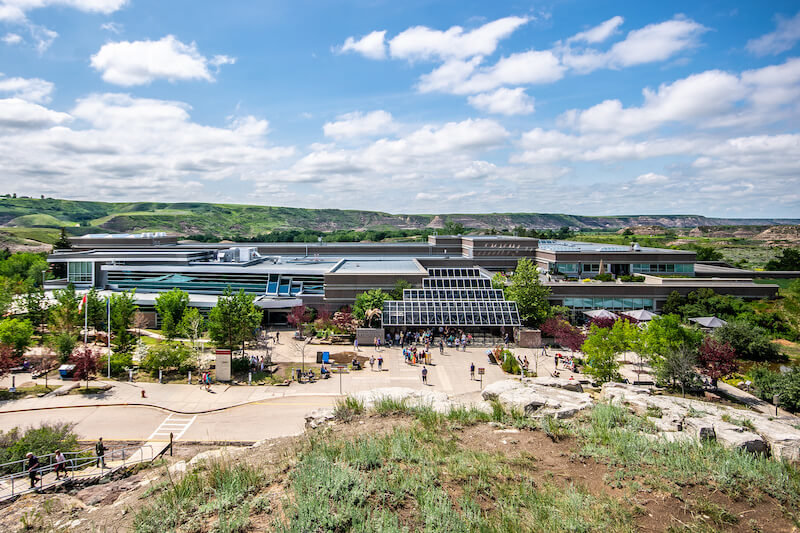
8. Outdoor Lifestyle: The Rockies are Your Backyard
You might be leaving the ocean, but you are gaining the Canadian Rockies.
-
National Parks: You will have easy access to Banff, Jasper, and Waterton Lakes National Parks.
-
Activities: World-class skiing, hiking, camping, and fishing are accessible within a short drive from major cities.
-
Urban Parks: Edmonton boasts the North Saskatchewan River Valley (North America's largest urban park system), and Calgary has extensive bike paths and Nose Creek Regional Park.
9. Driving & Getting Around
Alberta is built for driving. The highways are wide, well-maintained, and generally faster than the congested routes of the Lower Mainland.
-
Traffic: While traffic is increasing in Calgary and Edmonton due to population growth, it is still generally lighter than in Vancouver or Toronto.
-
Winter Driving: This is a non-negotiable skill. Snow tires are essential, and drivers must be prepared for icy conditions from November through March.
-
Public Transit: Both major cities have comprehensive transit systems (CTrain in Calgary and LRT in Edmonton) that are expanding to meet the needs of commuters.

Frequently Asked Questions About Moving to Alberta
Q: Is healthcare free in Alberta for new residents? A: Yes, the Alberta Health Care Insurance Plan (AHCIP) is premium-free for eligible residents. However, coverage is not immediate. If you intend to live in Alberta for 12 months or more, you must apply for coverage within 3 months of establishing residency. Your coverage typically begins on the first day of the third month after you become a resident (e.g., if you move on July 12, coverage starts October 1). During this waiting period, you remain covered by British Columbia's MSP.
Q: Do I need an out-of-province car inspection? A: Generally, yes. Most vehicles brought into Alberta require an Out of Province Vehicle Inspection before they can be registered. However, there are exemptions for vehicles moving from British Columbia if they are less than 4 years old or have passed a government inspection in the last 90 days. You must register your vehicle and exchange your driver's license for an Alberta one within 90 days of moving.
Q: Can I claim my moving expenses on my taxes? A: You likely can. The federal government allows you to claim eligible moving expenses if your new home is at least 40 kilometres closer to your new place of work or school. Additionally, eligible skilled tradespeople may qualify for the "Alberta is Calling" Moving Bonus, a refundable tax credit of $5,000.
Q: What documents do I need to switch my car insurance? A: Alberta has a private auto insurance model, unlike ICBC. To switch, you will typically need a driver’s abstract and a claims experience letter from ICBC to prove your driving history and secure a good rate.
Q: Is there a time difference between BC and Alberta? A: Yes, Alberta is in the Mountain Time Zone, which is one hour ahead of British Columbia (Pacific Time).
Final Thoughts on Moving to Alberta
Moving from British Columbia to Alberta is a significant change, but for many, it is a move that leads to financial freedom and a higher standard of living. By trading the ocean for the mountains and the rain for the sun, you are stepping into a province eager to welcome newcomers with open arms and ample opportunity.
Ready to find your new home in Alberta? Explore our latest listings in Calgary, Edmonton, and Airdrie today.
Posted by Ray Yang on
Enjoy this blog post? Click here to subscribe for updates
Leave A Comment